

As dietary supplements and drugs keeps to rise, the use of encapsulation machines is becoming more common in this sector. These machines are essential in the efficient production of capsules containing a range of substances, ranging from vitamin supplements as well as herbal remedies. Although their primary function is to optimize the manufacturing process, it is important to analyze the ecological effects of these machines to understand their broader implications.
The operation of these machines entails significant consumption of resources, such as energy, industrial materials, and liquid resources. Additionally, the waste produced during production, including surplus packaging and unused resources, creates issues that need to be tackled for a greener manufacturing method. By studying the environmental aspects of capsule filling machines, we can discover chances for progress and improvement that not only improve production efficiency but also support a healthier planet.
Overview of Capsule Filling Machines
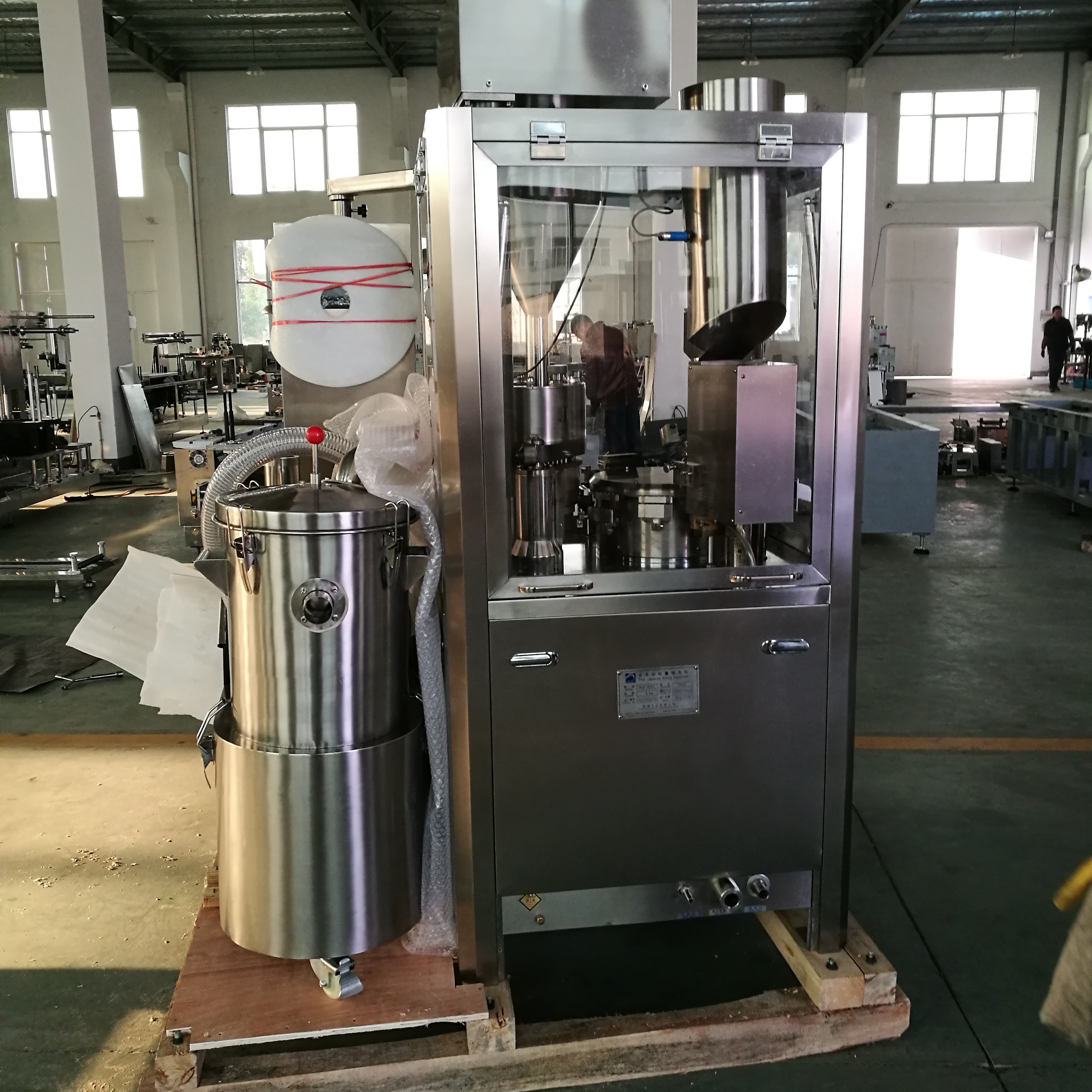
Capsule filling machines are essential devices in the healthcare and nutraceutical industries, designed to automate the process of filling pods with powders, or various kinds of formulations. These machines improve operations by enhancing efficiency, accuracy, and the general productivity of filling tasks. With advancements in technology, capsule filling machines have developed significantly, accommodating various sizes and types of capsules, including hard and soft gelatin capsules.
The versatility of capsule filling machines makes them suitable for both mass manufacturing and limited batch production. urmachine come furnished with multiple features such as adjustable filling volumes, speed controls, and user-friendly interfaces. This flexibility enables manufacturers to meet varying market demands while maintaining stringent quality control. Consequently, these machines play a critical role in ensuring that products are uniformly filled and sealed properly, which is essential for consumer safety and satisfaction.
In addition to their operational benefits, capsule filling machines contribute to eco-friendly manufacturing practices. By reducing human error and cutting down on waste in the filling process, they help lower overall material consumption. Improved efficiency not only reduces the environmental footprint of production but also supports manufacturers in adhering to more stringent regulatory standards. As a result, the adoption of capsule filling machines is becoming an integral part of the industry's move towards green practices.
Environmental Pros of Pill Filling
The application of pill packaging machines considerably contributes to minimizing ecological effects by diminishing excess. Conventional approaches, such as loose powder wrapping, often generate extra material that is often recyclable. In contrast, pill packaging enables accurate dosing and lowers the need for further packaging materials, encouraging a more sustainable approach. This optimized process not only protects resources but also lessens the environmental impact of production.
Additionally, capsule filling machines enable the utilization of compostable and plant-based materials for capsule creation. This transformation from traditional plastic capsules to more green alternatives aids tackle the increasing concern over plastic contamination. By embracing such green materials, companies can cut their use on non-renewable resources and lessen the cumulative environmental impact associated with pill production.
In conclusion, the efficiency of pill filling machines holds a crucial role in power conservation. These machines are designed to function with low energy consumption while increasing output. By lowering energy requirements during the manufacturing process, businesses can reduce their greenhouse gas emissions and contribute to a healthier planet. Improved effectiveness combined with sustainable materials makes capsule packaging a promising choice for sustainability-focused businesses.
Challenges and Answers in Eco-Friendliness
The creation and operation of capsule filling machines bring several challenges in terms of sustainability. One significant challenge is the environmental impact of the materials used in capsule production, particularly in terms of plastic waste. Many capsules are made from non-biodegradable materials which add to pollution and waste site concerns. Additionally, the power consumption during the production and operation of these machines can be considerable, leading to increased carbon emissions.
To address these challenges, manufacturers are more and more exploring alternative materials for capsules, such as plant-based and biodegradable choices. This shift not only reduces the ecological footprint but also caters to the rising consumer demand for environmentally friendly products. Moreover, investing in eco-friendly capsule filling machines can significantly lower energy usage, helping to minimize the overall environmental impact.
Furthermore, strategic waste management strategies are vital in promoting sustainability within the industry. Establishing recycling programs for spent capsules and machine parts can encourage a circular economy approach. By focusing on both sustainable materials and operational efficiencies, the capsule filling industry can progress toward a more green future while fulfilling the needs of consumers and regulatory standards.